
Guides · Cycling in Taiwan
Taiwan Twin Towers 520: Support Vehicles, Checkpoints, and What to Know
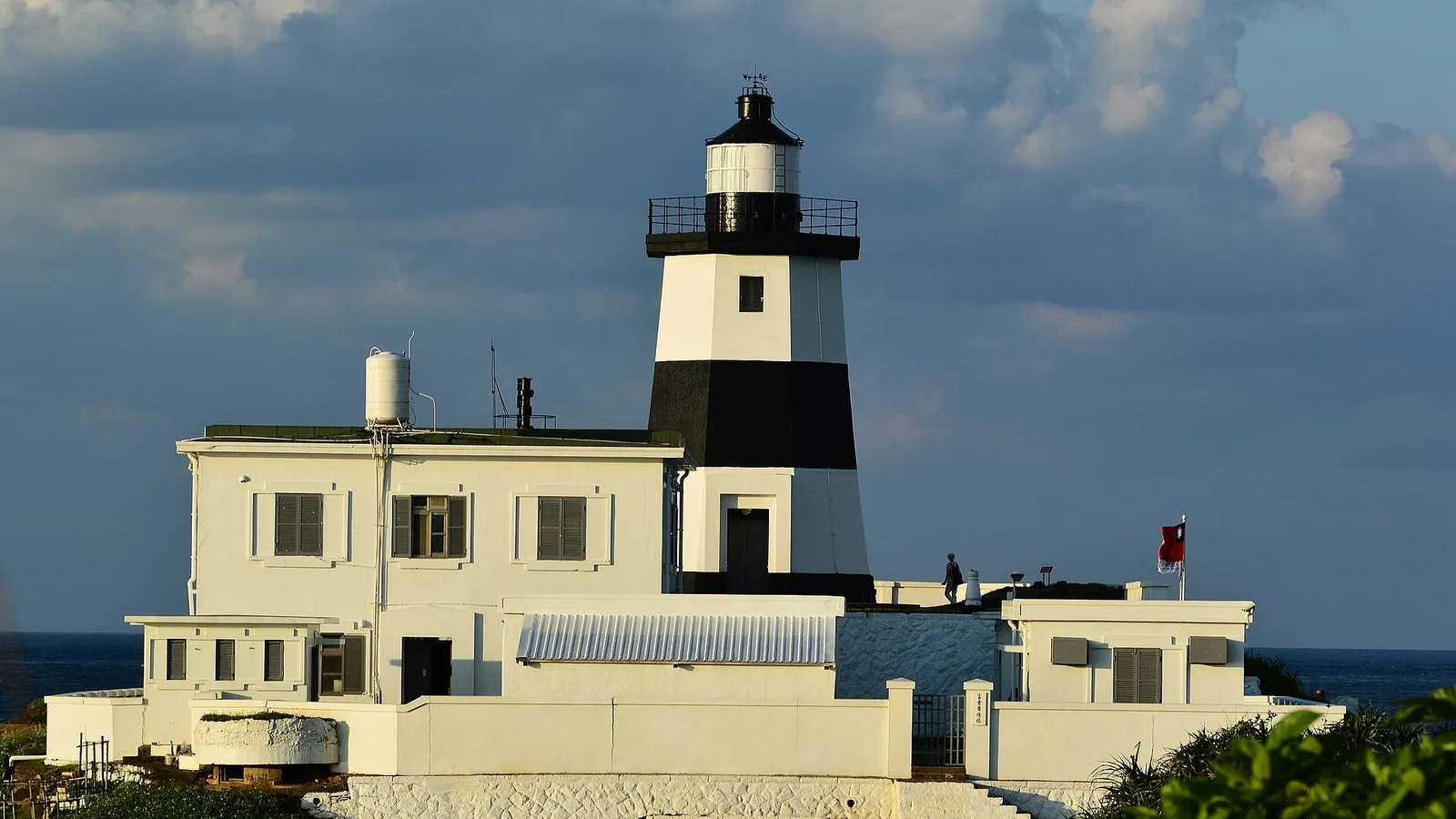
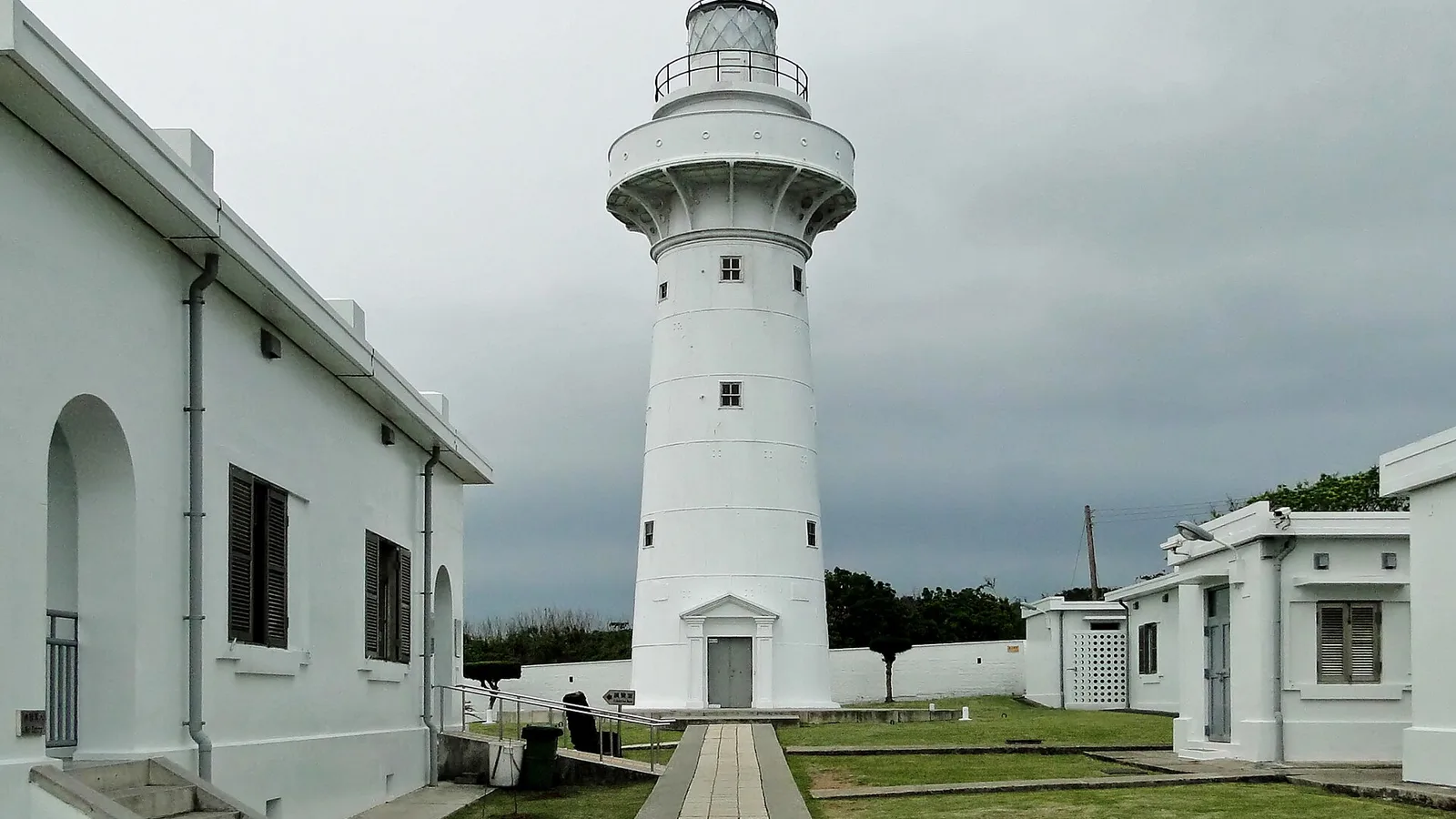
The Twin Towers ride runs from Fugueijiao Lighthouse at the northern tip of Taiwan to Eluanbi Lighthouse at the southern tip. The certified distance is 520 km and the cut-off is 30 hours. The question we get most often is whether there is a support vehicle. The 2026 announcement is explicit: the organiser provides a medical car and free luggage transport, but no rolling supply vehicle. A private support car is allowed, on the condition that it only resupplies from a fixed spot and never trails the rider at low speed. Here are the cut-offs, the rules, and the parts that actually hurt on the road.
What a Support Vehicle Is Actually Allowed to Do
The organiser does not run a rolling supply car. What the announcement promises is a medical vehicle, free luggage transport, light supplies at the six checkpoints, and a snack at the finish. Handing water up on the road is not part of the service.
The same announcement permits riders to arrange a private support car, with five conditions attached. The one that carries real consequences is the self-reliance clause: if for any reason you get into your support car, you must not pass through the checkpoint timing system. Riding in the car does not get you a slower time, it takes that segment out of the certification.
Shadowing a rider at low speed is explicitly banned. The reason is easy to picture — none of the 520 km is closed to traffic, and a car crawling behind one rider on Provincial Highway 17 blocks everybody else on it.
- Resupply from an open, visible spot that does not obstruct other riders or road users
- No following at low speed to hand up supplies or take photos
- Keep supply points away from checkpoints and narrow sections
- If you ride in the support car for any reason, do not pass through the checkpoint timing system
- Leave the spot clean and keep the noise down, especially at petrol stations and in front of houses
Six Checkpoints and Their Cut-offs
The 2026 certification date is Saturday 14 November, starting at 00:00 from Fugueijiao. The final cut-off is 06:00 on 15 November, a 30-hour limit, timed by chip. The route runs down Highway 2 to Tamsui, crosses the Tamkang Bridge onto Highway 15, picks up Highway 61 after Hsinchu, then follows Highway 17 all the way south before Shuidiliao, Fenggang and Highway 26 into Kenting.
The cut-offs are not evenly spaced. The first 107 km to Hsinchu allows six hours, which after the start-line congestion and city lights means holding close to 20 km/h. The last 85 km also allows six hours. Riders who reach a checkpoint late arrange their own way home — worth reading twice while you plan.
| No. | Name | Place | Distance | Highway marker | Cut-off |
|---|---|---|---|---|---|
| 0 | Shimen, New Taipei | Fugueijiao Lighthouse | 0.0 km | Hwy 2, 25.0K | 00:30 |
| 1 | Hsinchu City | Fengqing Coast | 107 km | Hwy 61, 79K | 06:30 |
| 2 | Wanggong, Changhua | Fuhai Temple | 227 km | Hwy 17, 54.3K | 13:30 |
| 3 | Jiangjun, Tainan | Ji'an Temple | 323 km | Hwy 17, 150.5K | 19:00 |
| 4 | Donggang, Pingtung | Donggang Tzu Chi | 430 km | Hwy 17, 247K | 00:30 |
| 5 | Kenting, Pingtung | Haishan Campsite | 515 km | Hwy 26, 42.8K | 06:00 |
Entry Requirements and Fees
You must be 18 or older and have ridden 300 km or more. Entry is NT$2,800, dropping to NT$2,300 for early registration before 24:00 on 31 January 2026; registration runs from 12:00 on 1 December 2025 to 24:00 on 7 August 2026. Finishers receive a trophy, a certificate listing every checkpoint time, and a sports towel.
Refunds come in three tiers: cancel before registration closes and you lose an NT$100 admin fee; cancel between the close and 15 September and you lose 40%; after 16 September there is no refund for personal reasons, though documented cases such as natural disaster, transport disruption, military service or a wedding or funeral get 50% back. The ride goes ahead in rain; if a disaster forces a postponement you cannot attend, 30% is refunded.
Doing the 520 km Without a Support Car
Most finishers do it on convenience stores and checkpoints. The density of shops along Highway 17 means you rarely need three bottles on board; what stretches is the daytime western section, where you want to know your next stop before Wanggong or Jiangjun. After 22:00 the shops in Chiayi and Tainan thin out, so top up water and calories before that.
Your finishing time is set less by flat-road speed than by how often and how long you stop. Ten minutes per store, ten stores, is 100 minutes gone; subtract that and 30 hours is not roomy. Merging stops into three or four real resupplies and treating the rest as bottle swaps saves far more than shaving watts.
Pack lights for 30 hours, not until sunrise. Carry spare batteries or a power bank for front and rear lights. A reflective vest is recommended rather than required, and on Highway 17 at 4 a.m. it is still worth wearing.
- Pre-start check: helmet, front and rear brakes, working front and rear lights, helmet tail strap; a reflective vest is advised
- Chip sticker on the front of the helmet, seatpost number fitted as illustrated, tail strap at the back — none are reissued on site
- Fill in the luggage tag, fix it to your own bag and hand it to the luggage truck before the start; only soft bags and bike bags are accepted, no hard suitcases
- Make sure you cross the chip sensor zone at every checkpoint
- Keep keys and health insurance card on you; do not put valuables in the luggage truck
If the Bike Breaks or the Legs Stop
The announcement handles it this way: if a mechanical is beyond your own repair, or you are unwell and cannot continue, contact the association and staff will move you to the nearest checkpoint or convenience store to rest. Riders who cannot finish arrange their own way home, and the association ships transported luggage back cash-on-delivery.
That is the real reason people want a SAG vehicle — not to hand bottles up on the move, but so that when a wheel gives out at a junction on Highway 17 at two in the morning, 200 km from home, somebody comes. That is the part we cover: one van, one driver, waiting at the fixed points you chose, carrying both rider and bike. Where it may stop and when it may resupply follow the same five official rules.
FAQ
Does the event provide a support vehicle?
No rolling supply car. The organiser runs a medical vehicle and free luggage transport, keeps light supplies at the checkpoints and food at the finish. A support car is yours to arrange, under the five official private-supply rules.
Can the support car follow behind at low speed?
No. The announcement asks drivers not to trail riders at low speed to resupply or take photos. Resupply happens at fixed spots, away from checkpoints and narrow sections.
If I ride in the car for a stretch, does the finish still count?
The announcement asks anyone who gets into a private support car not to pass through the checkpoint timing system. Verified breaches of the self-challenge rule mean the certification is withdrawn.
What does 24EZGO cover for a Twin Towers SAG?
One van and one driver, waiting at the fixed points you plan, carrying luggage and spares, and picking up both rider and bike if you stop or break down. We set the number and location of stops with you, inside the organiser's rules.
Sources
Rules and road conditions change — always check the official announcements before you travel.
Related guides
- Taiwan Cycling Route No.1|Distance & Closed Roads
- Getting Your Bike Serviced Before the Ride, at a SHIMANO-Certified Shop in Taichung
- What Changed in Road Wheels Over the Past Decade, Seen Through Two Taiwanese Companies
Elsewhere in the ecosystem
- The TCU Cycling Ecosystemfifteen self-built systems linking races, training, results, maintenance and group rides
- power · AI Trainingreads power meter files and writes the day's training prescription
Need a support vehicle?
Tell us your plan and we will suggest an option based on group size, bike count, and days.